Introduction
In the world of photography, light is the brush that paints our canvas. It shapes our subjects, creates state of mind, and changes the normal into the extraordinary. Whether you're a seasoned professional or a passionate enthusiast, comprehending how to manipulate light is essential to recording spectacular images. In this article, we will explore numerous techniques for producing dramatic art pictures through a deep dive into the intricacies of light. From self-portrait photography to reflective photography and beyond, we'll cover everything you need to know to elevate your fine art photography game.
Chasing Light: Methods for Capturing Dramatic Fine Art Photos
What does it imply to go after light? Chasing after light refers to the practice of looking for and making use of particular lighting conditions to boost photographic outcomes. This principle is especially pertinent in art photography, where every element-- light consisted of-- plays a crucial function in conveying emotion and narrative.
Understanding Natural Light in Photography
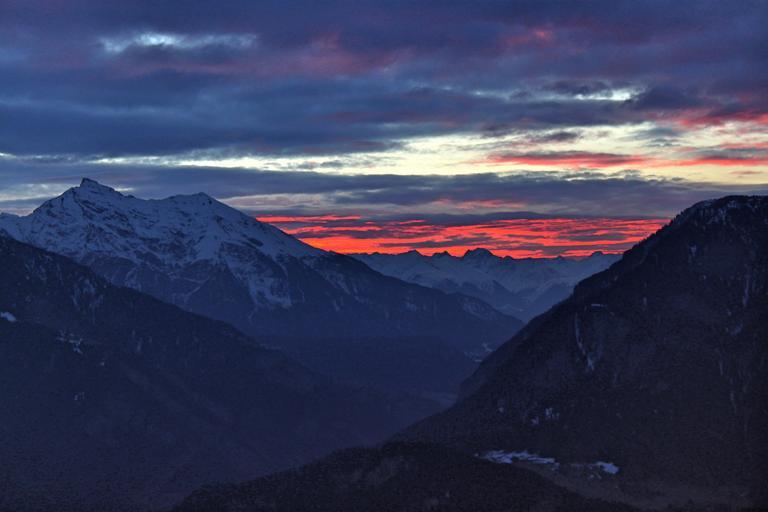
Natural light can be your best friend when it concerns fine art image production. The golden hour-- simply after dawn and right before sunset-- is frequently considered as the most favorable time for outdoor shoots. Throughout these times, the sunshine is softer, casting long shadows that add depth and dimension.
The Golden Hour Explained
- Timing: The golden hour lasts about an hour during daybreak and sunset. Quality of Light: The sunshine becomes diffused as it travels through more atmosphere. Color Temperature: Warm tones stimulate feelings of fond memories and romance.
Utilizing Artificial Light for Significant Effects
While natural light has its appeal, synthetic lighting setups can provide unrivaled control over your scenes. Mastering different types of lights such as strobes, LED panels, or constant lights enables photographers to accomplish their wanted aesthetic.
Types of Synthetic Lighting
Strobe Lights: Effective bursts ideal for capturing fast-moving subjects. Continuous Lights: Great for video but also beneficial for still photography. Softboxes vs. Umbrellas: Softboxes scattered light equally; umbrellas can create dramatic shadows.Self-Portrait Photography: An Expedition of Self Through Light
The Appeal of Self-Portraits
Self-portrait photography permits artists to explore their identity while explore lighting strategies. By controling shadows and highlights on one's own face or body, photographers can convey intricate emotions.
Tips for Recording Stunning Self-Portraits
- Choose an easy background that will not sidetrack from your subject. Use a tripod or steady surface area to keep your camera steady. Experiment with various angles-- sometimes a slight tilt can alter everything!
Fine Art Photography: More than Just Technique
Fine art photography goes beyond simple representation; it aims to communicate concepts or emotions through structure and lighting choices.
What Specifies Art Photography?
- Intentionality: Every aspect in the frame serves a purpose. Aesthetic Value: The objective is typically appeal rather than utility. Conceptual Depth: Images should provoke idea or elicit feelings.
Contemplative Photography: Finding Stillness in Chaos
What Is Contemplative Photography?
Contemplative photography invites viewers to slow down and observe their surroundings with mindfulness. This practice often involves utilizing soft lighting to develop tranquil environments in visual photos suggested for print.
Creating Reflective Photos
Focus on information that may otherwise go unnoticed. Use shallow depth-of-field techniques to isolate subjects. Seek out natural frames-- branches or windows can assist encapsulate your focus.Exploring Aesthetic Self-Portrait Photography Techniques
Aesthetic self-portrait photography integrates elements of artistry with individual storytelling, permitting people to express themselves visually while sharpening their technical skills with light manipulation.
Creating Aesthetic Compositions
- Play with color palettes that resonate emotionally. Incorporate textures like fabrics or natural aspects into your shots. Utilize reflections creatively-- mirrors can add layers and intrigue!
Choosing Custom-made Size Photo Prints for Your Artwork
Once you've recorded stunning images through significant lighting methods, it's time to think of how you'll showcase them. Customized size image prints enable you versatility in presentation.
Benefits of Custom-made Print Sizes
Tailored Fit: Ensure your art work fits perfectly in any space. Unique Display Choices: Stand out by selecting unconventional dimensions. Quality Matters: Invest in premium products for longevity.Planning Your Shoot Around Lighting Conditions
To effectively chase light, planning is essential. Comprehending how various lighting conditions impact your subject will improve your creative process.
Creating a Shooting Set up Based on Light Availability
|Time|Lighting Condition|Best For|| ---------------|--------------------|----------------------------|| 6 AM - 8 AM|Soft Morning Light|Portraits & & Landscapes|| 11 AM - 1 PM|Severe Midday Sun|High Contrast Shots|| 4 PM - 6 PM|Golden Hour|Significant Shadows & & Warm Tones|

FAQ Section
Q1: What are some typical mistakes in self-portrait photography?
One typical mistake is poor lighting; severe overhead lights can cast unflattering shadows on the face. Always pursue soft, diffused lighting!
Q2: Can I use smart device cameras for fine art photography?
Absolutely! Many smartphones have remarkable electronic camera technology that allows for spectacular art images if you comprehend lighting principles well.
Q3: How do I select the best backdrop for my photographs?
Choose backdrops based upon state of mind; neutral colors work well for severe styles while vibrant colors might fit more spirited concepts.
Q4: What editing tools should I think about post-shoot?
Adobe Lightroom and Photoshop are industry standards; they offer extensive features for changing direct exposure and color balance effectively.

Q5: Is reflective photography ideal for beginners?
Yes! It's everything about observation and mindfulness-- you do not require innovative gear or experience!
Q6: How crucial is post-processing in attaining artistic vision?
Post-processing allows you to enhance what you've captured initially; it's essential however ought to complement rather than change excellent technique!
Conclusion
"Going After Light: Techniques for Capturing Remarkable Fine Art Photos" includes far more than merely pointing a cam at a subject; it's a complex dance between creative vision and technical ability including careful consideration of light-- https://jsbin.com/zizekonosi both natural and synthetic-- and its effect on visual appeals. Whether you're taking part in self-portrait photography or checking out contemplative styles within your work, comprehending how light engages with your topics will raise your craft immensely.
So get your electronic camera! Venture outside throughout golden hour or established a synthetic light rig inside-- embrace experimentation! With passion and persistence, soon enough you'll discover yourself skilled at recording not simply images but extensive stories informed through the lens of remarkable art photography.